Get Tree Canopy Thinning in Tucker, GA
Tree Canopy Thinning services help property owners in Tucker, GA, and nearby areas improve safety, reduce storm damage risk, and enhance landscape visibility through professional pruning and thinning.
Tree canopy thinning services are often sought by property owners in Tucker, GA to improve the overall health and appearance of their trees. By carefully reducing the density of branches and foliage, property owners can enhance airflow and sunlight penetration, which promotes stronger, more resilient trees. This process can also help prevent overgrowth that may interfere with structures, power lines, or other landscape features, contributing to a safer and more functional outdoor space.
Beyond safety and practicality, tree canopy thinning can boost curb appeal by creating a more balanced and aesthetically pleasing landscape. It can reduce the risk of limb failure during storms, decreasing potential damage and maintenance needs. Additionally, thinning can extend the longevity of trees by preventing overcrowding and promoting healthier growth, resulting in durable trees that maintain their beauty and value for years to come. Local service providers can assist with professional thinning tailored to specific property needs.
- Tree Canopy Thinning Services - homeowners may need thinning to reduce tree weight and prevent storm damage.
- Urban areas like Tucker, GA, often require canopy thinning to improve air circulation and reduce limb stress.
- Property owners might seek thinning services to enhance sunlight penetration and promote healthy grass growth beneath trees.
- Commercial properties may require canopy thinning to maintain safety standards and prevent overgrowth near structures.
- Landscapers and property managers look for thinning solutions to improve overall tree health and aesthetic appeal.
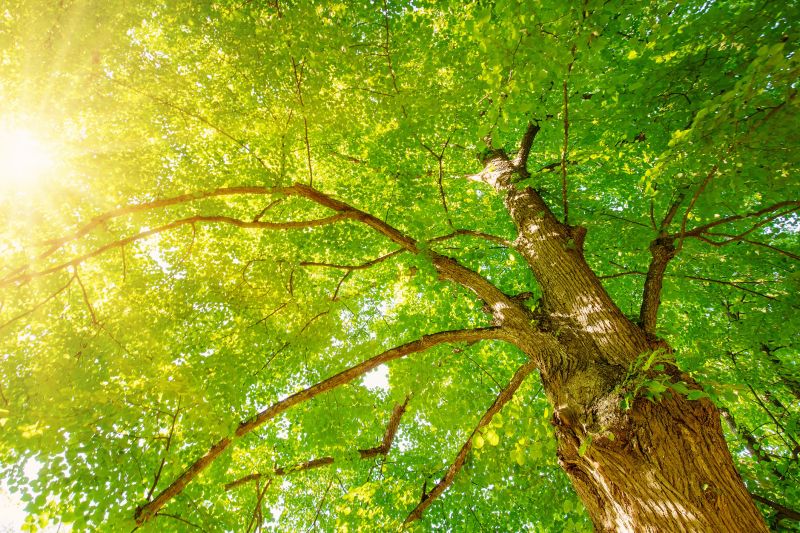
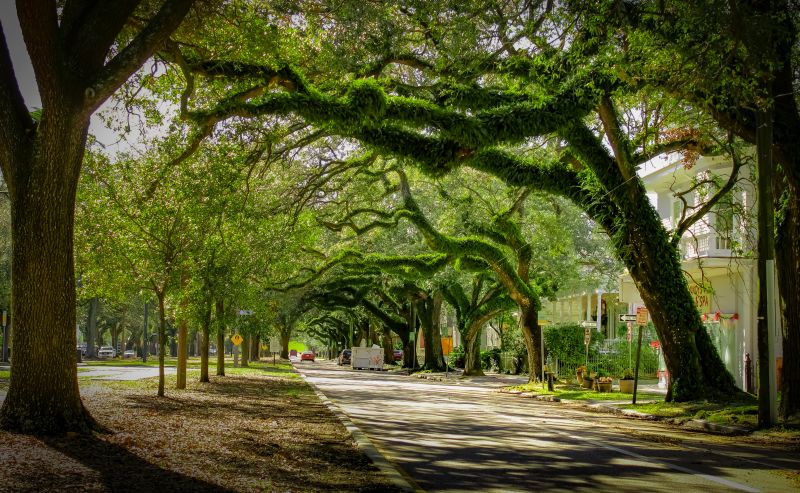
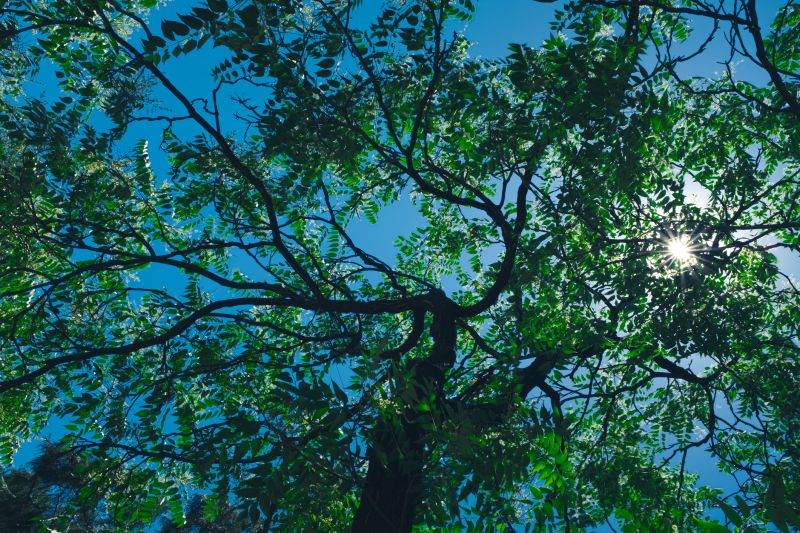
Tree canopy thinning services involve carefully reducing the density of branches and foliage in a tree’s upper layers. This process is typically performed by professional arborists or tree care specialists who assess the overall health and structure of the tree before making strategic cuts. The goal is to improve air circulation, allow more sunlight to reach the ground, and reduce the weight of heavy branches, which can help prolong the tree’s lifespan and enhance its appearance. Proper thinning requires expertise to ensure that the tree’s health is maintained and that the structural integrity of the tree is not compromised.
One of the primary problems tree canopy thinning addresses is the issue of overgrown or densely packed branches that can hinder airflow and light penetration. Excessive canopy density can create a damp environment that promotes the growth of decay fungi and pests. Additionally, thick canopies can pose safety risks if heavy branches are at risk of falling during storms or high winds. Thinning can also reduce the likelihood of branch breakage and help prevent damage to nearby structures or power lines, especially in urban or suburban settings.
Properties that often utilize tree canopy thinning services include residential yards, commercial properties, parks, and public spaces. In residential areas, thinning can improve the overall landscape aesthetic and promote healthier trees. Commercial properties may use canopy thinning to maintain safety around parking lots, walkways, and building entrances. Public parks and community spaces benefit from thinning to ensure safety for visitors and to support the health of multiple trees within shared environments. In each case, professional arborists assess the specific needs of the property and recommend appropriate thinning strategies.
Overall, tree canopy thinning is a valuable service for maintaining tree health, safety, and aesthetic appeal. It is especially relevant for properties with mature or large trees that require regular management to prevent potential hazards. By working with experienced local service providers, property owners can ensure that their trees are properly maintained and that the benefits of a well-managed canopy are realized. Contacting qualified professionals can help determine the appropriate approach for each individual tree and property context.
The overview below groups typical Tree Canopy Thinning projects into broad ranges so you can see how smaller, mid-sized, and larger jobs often compare in Tucker, GA.
In many markets, a large share of routine jobs stays in the lower and middle ranges, while only a smaller percentage of projects moves into the highest bands when the work is more complex or site conditions are harder than average.
Basic Thinning - Typically costs between $200 and $600 for small to medium trees. The price varies based on tree size and complexity of the thinning process.
Selective Canopy Reduction - Usually ranges from $300 to $1,000 per tree. Larger or more complex trees may incur higher costs depending on the extent of thinning needed.
Crown Thinning - Expect prices to fall between $250 and $800 per tree. Costs depend on tree height, canopy density, and accessibility.
Complete Canopy Management - Generally costs $500 to $2,000 for comprehensive thinning services. The price varies with tree size, location, and the scope of work involved.
Actual totals will depend on details like access to the work area, the scope of the project, and the materials selected, so use these as general starting points rather than exact figures.
Tree Canopy Thinning services involve reducing the density of tree branches to improve air circulation and light penetration, which can benefit urban landscapes in Tucker, GA. Local service providers can assist with selective pruning to promote healthier tree growth and aesthetic appeal.
Canopy Management projects focus on balancing tree health and safety by carefully thinning excessive foliage, helping to prevent storm damage and reduce weight on branches. Professionals in the area can evaluate and implement appropriate thinning techniques.
Urban Tree Thinning services are designed to manage tree canopies in city environments, reducing the risk of falling branches and improving overall park and street tree health. Local experts can tailor thinning plans to specific urban conditions.
Landscape Tree Pruning includes canopy thinning as part of comprehensive tree care, enhancing the visual structure and longevity of trees in residential and commercial landscapes. Experienced providers can perform precise thinning to meet aesthetic and safety goals.
Storm Damage Prevention tree canopy thinning helps mitigate risks associated with heavy winds and storms by reducing the weight and wind resistance of branches. Local pros can assess and carry out thinning to strengthen tree resilience.
Tree Health Optimization services incorporate canopy thinning to improve nutrient flow and reduce pest susceptibility, contributing to the overall vitality of trees in the Tucker area. Skilled contractors can recommend and execute suitable thinning strategies.
When evaluating local professionals for tree canopy thinning services, it is important to consider their experience in handling similar projects. Homeowners should inquire about the number of years a provider has been performing canopy thinning, as well as their familiarity with trees specific to the local climate and landscape. A contractor with a solid track record in the area is more likely to understand the nuances of the work and deliver results that meet expectations. Requesting written details about the scope of work, process, and any specific techniques used can help clarify what the service entails and set clear expectations from the outset.
Reputable references and reviews from previous clients can offer valuable insights into a tree service provider’s reliability and quality of work. Homeowners are encouraged to seek out testimonials or contact past customers to learn about their experiences, particularly regarding the professionalism, timeliness, and thoroughness of the services provided. Reliable providers often have a history of positive feedback, which can serve as an indicator of consistent performance. Gathering this information helps ensure that the selected professional has a proven record of satisfactory work within the local community.
Effective communication is another key factor when choosing a tree canopy thinning service provider. Homeowners should look for professionals who are transparent about their process, responsive to questions, and willing to provide detailed written expectations. Clear communication helps facilitate a smooth project and reduces misunderstandings. While the site introduces local options, it is recommended to contact multiple providers to compare how each one approaches client interactions, ensuring that the chosen professional is approachable, reliable, and attentive to specific project needs.
Property owners in Tucker, GA use Tree Canopy Thinning services for practical projects around their homes and businesses. The sections below highlight everyday jobs and straightforward project options.
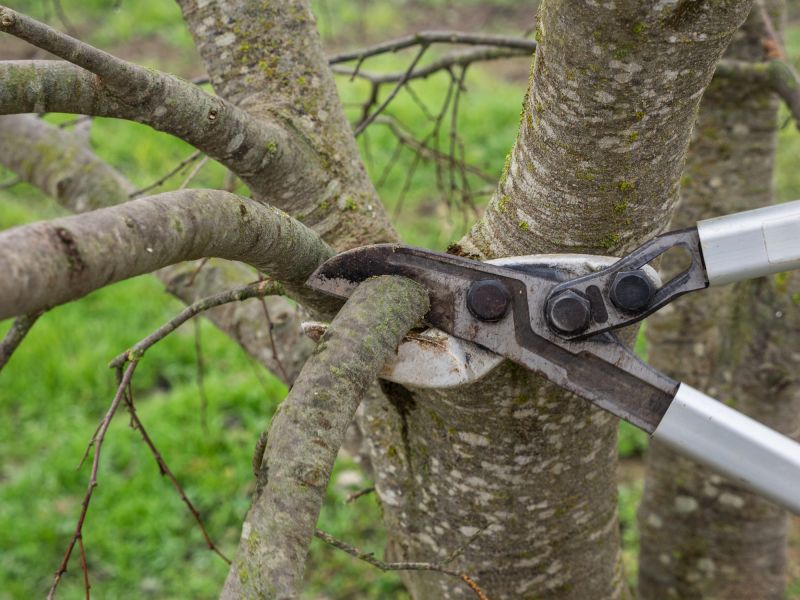
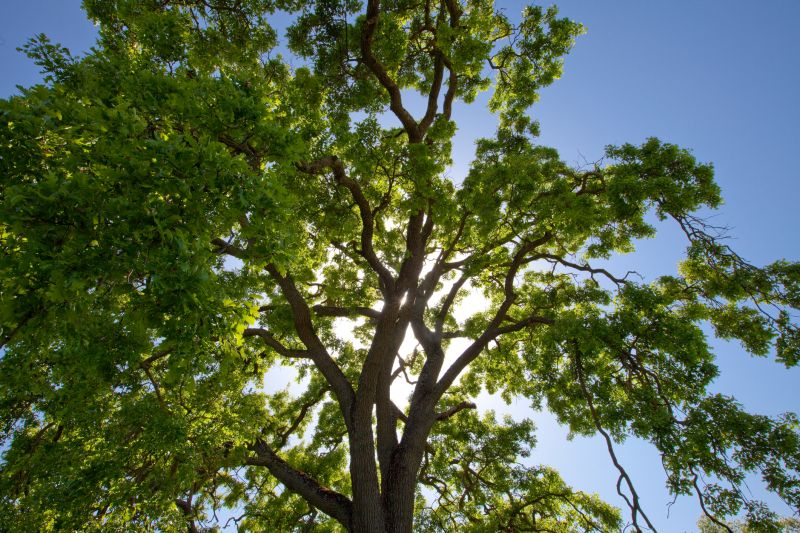
Tree canopy thinning services are often sought by property owners in Tucker, GA who notice their trees becoming overgrown or shading too much of their yards. Over time, dense canopies can block sunlight, affect the health of the trees, or hinder the growth of grass and other plants beneath them. Additionally, thinning can improve the overall appearance of the landscape, making it look more open and maintained.
Property owners may also consider canopy thinning to reduce the risk of falling branches or to prevent trees from becoming too heavy for their roots to support safely. In areas prone to storms or high winds, thinning can help minimize potential damage. Local service providers can assist with evaluating trees and performing thinning work that promotes healthier growth and enhances safety around the property.
What is tree canopy thinning? Tree canopy thinning involves selectively removing branches or foliage to reduce the density of a tree's canopy, which can improve sunlight penetration and airflow.
Why consider tree canopy thinning? Professionals recommend canopy thinning to enhance tree health, prevent damage from storm winds, and improve the overall appearance of trees in residential or commercial areas.
When is the best time for canopy thinning? The optimal time for canopy thinning is typically during the dormant season or early spring, when trees are less active and less vulnerable to stress.
Are there any risks associated with canopy thinning? Improper thinning can potentially harm a tree’s health or stability; it is best performed by experienced local service providers who understand proper techniques.
How can I find local tree canopy thinning services? Interested individuals can contact local arborists or tree care companies to request assessments and professional canopy thinning services in their area.
Tree Canopy Thinning Benefits - Professionals can help improve air circulation and sunlight penetration by selectively thinning tree canopies. This service supports healthier tree growth and enhances landscape aesthetics.
Signs You Need Canopy Thinning - Local experts can assess if overgrown or dense canopies are causing issues like limb stress or reduced light. An evaluation can determine if thinning is appropriate for your trees.
Tree Canopy Thinning Techniques - Experienced service providers utilize targeted pruning methods to carefully reduce canopy density while maintaining tree health. Proper thinning can prevent storm damage and improve overall tree structure.
Choosing a Tree Care Specialist - Contacting qualified arborists or tree service companies ensures that canopy thinning is performed safely and effectively. Professionals can provide tailored solutions for trees in residential or commercial landscapes.
Considering Tree Canopy Thinning for a property in Tucker, GA? The sections above highlight common project types, practical options, and details that often shape the scope of work.
When you are ready, use the quote form to share a few details about your project. Local pros can review the basics and respond with options that match what you have in mind.